When you map relationships by shared documents rather than rumors or testimony, patterns emerge. The Epstein archive contains over 1.4 million files, but some names appear together thousands of times while others connect only occasionally. These patterns tell a story about organizational structure.
The 31,897 Document Connection
Lesley Groff appears in 31,897 documents alongside Jeffrey Epstein. This isn't just the largest connection in the archive by volume. It's an order of magnitude larger than most other relationships. For context, Ghislaine Maxwell shares 2,152 documents with Epstein. Groff's connection is nearly fifteen times larger.
What does 31,897 shared documents look like in practice? It means Groff's name appears in communications about travel arrangements, property management, financial transfers, scheduling conflicts, and daily operations. Records indicate she coordinated calendar logistics, managed contact information, and served as a communication hub between Epstein and dozens of other people.
This volume suggests Groff functioned as what organizational researchers would call a "central node" in the network. Information flowed through her. Documents show she forwarded messages, confirmed appointments, and updated contact lists. She wasn't peripheral to operations. She was essential infrastructure.
The Pilot's Position
Larry Visoski, Epstein's longtime pilot, shares 2,230 documents with Groff. This connection makes sense when you understand the operational requirements of maintaining private aircraft and coordinating international travel. Someone had to communicate flight plans, passenger manifests, and scheduling changes between ground operations and flight crew.
Documents indicate this coordination happened constantly. Flight records, passenger lists, and travel itineraries all required updates between Groff's office and Visoski's cockpit. The 2,230 shared documents represent years of this back-and-forth communication.
What's notable is that Visoski's connection to Groff is larger than his direct connection to Epstein in the document archive. This pattern suggests a hierarchy: Epstein made decisions, Groff coordinated logistics, and Visoski executed travel plans. Information traveled down this chain through documents.
Maxwell's Different Role
Ghislaine Maxwell shares 2,152 documents with Epstein. This places her in the second tier by document volume, but the nature of these documents differs from Groff's operational paperwork. Records show Maxwell appears in correspondence about social events, property in New York and London, and communications with wealthy contacts.
The Maxwell documents often involve introductions, party planning, and social coordination rather than daily office management. Where Groff's documents tend toward logistics and scheduling, Maxwell's lean toward social facilitation and relationship management. Both roles were important to Epstein's operations, but they functioned differently.
This distinction matters because document patterns reveal functional roles more clearly than testimony. Maxwell wasn't handling travel logistics or maintaining contact databases at the scale Groff did. Her 2,152 shared documents show a different type of involvement in the network.
The Science Advisor Connection
Boris Nikolic appears in 2,073 documents with Epstein, placing him just below Maxwell by volume. Nikolic, a scientist and venture capitalist, had professional relationships in biotechnology and investment circles. Records indicate meetings, correspondence about scientific projects, and discussions of funding opportunities.
What's interesting about the Nikolic connection is its timing. Many of these documents cluster in later years, after Epstein's 2008 conviction. This suggests Nikolic represented an attempt to maintain legitimate professional relationships even as Epstein's social circle contracted. The documents show continued coordination around science initiatives and investment opportunities.
Nikolic was named as a backup executor in Epstein's will, a detail that became public after Epstein's death. The 2,073 shared documents provide context for that decision. They show years of communication and coordination, even if the relationship was ostensibly professional rather than personal.
The Pattern of Protection
Jane Doe appears in 1,836 documents with Epstein. This designation in legal records indicates a victim whose identity is protected. The document volume is substantial, suggesting either extensive communication over time or inclusion in travel records, scheduling documents, and other operational files.
These 1,836 documents represent evidence. They might include travel manifests showing transportation to various properties, scheduling records indicating when Jane Doe was present at specific locations, or communication indicating coordination of her movements. The protection of her identity in public archives is legally mandated, but the document volume itself is a data point.
What this number tells us is that victims weren't peripheral to the network. They were tracked, scheduled, and documented in the same systems that managed legitimate business operations. The operational infrastructure that Groff maintained didn't distinguish between business contacts and victims. Everyone was documented.
What Network Analysis Reveals
When you rank relationships by shared documents, you get a clearer picture of organizational structure than interviews alone provide. Groff's 31,897 shared documents establish her as the operational center. Visoski's 2,230 documents with Groff show coordination between office and aircraft. Maxwell's 2,152 documents with Epstein demonstrate social facilitation rather than daily management. Nikolic's 2,073 documents represent maintained professional legitimacy. And Jane Doe's 1,836 documents show how victims were tracked within the same systems.
This hierarchy tells us something important about how the network functioned. Epstein didn't personally manage logistics. He had staff for that. Groff coordinated operations. Visoski executed travel plans. Maxwell facilitated social connections. Nikolic provided professional credibility. And victims moved through all of it, documented in the same files as business contacts and social acquaintances.
The Missing Connections
Some expected names don't appear in the top tier by document volume. High-profile figures who grabbed headlines have relatively fewer shared documents in the archive. This doesn't mean their connections weren't significant, but it does suggest they weren't involved in daily operations or frequent coordination.
The people with the most shared documents aren't always the most famous. They're the ones who made the operation function. Groff maintained systems. Visoski flew planes. These operational roles generated thousands of documents because they required constant coordination.
Understanding this distinction matters when analyzing the network. Celebrity connections made headlines, but operational staff enabled everything else. The document patterns show who kept things running, day after day, for years.
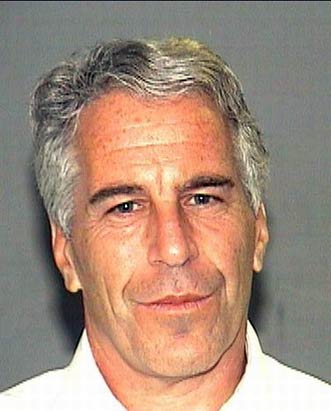 Jeffrey Epstein
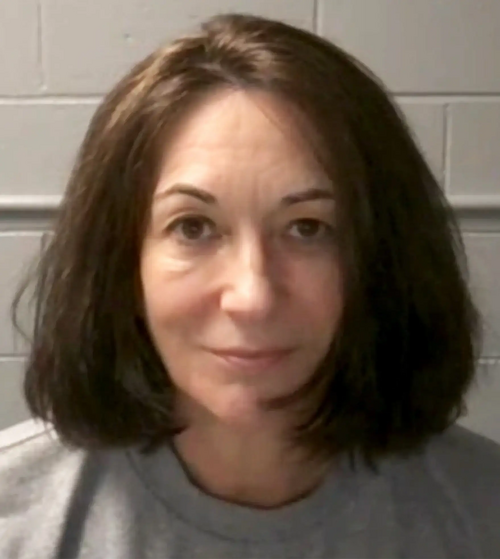 Ghislaine Maxwell