When Jes Staley resigned as CEO of Barclays in November 2021, the official reason was regulatory concerns about how he had characterized his relationship with Jeffrey Epstein. The British bank's board had grown uncomfortable with what investigators were finding. Staley maintained his ties to Epstein were "professional." The documents tell a different story.
Staley ran JPMorgan's private banking division from 1999 to 2013, a period when Epstein was one of the bank's most lucrative clients. After moving to Barclays in 2015, Staley became CEO in December of that year. Throughout this time, he kept in contact with Epstein, even as criminal allegations against the financier became increasingly public.
The Professional Relationship Claim
In sworn testimony captured in the documents, Ghislaine Maxwell was asked directly about Staley's relationship with Epstein. The questioning, preserved in document 22439, shows the prosecutorial interest in understanding the nature of their connection. Maxwell's responses about various individuals in Epstein's orbit included acknowledgment of Staley's name.
Document 22652 reveals another fragment of Maxwell's deposition where she discusses how she and Epstein maintained "separate lives except where they synced." This concept of overlapping but distinct social and business spheres becomes important when examining how Epstein's financial contacts later characterized their relationships.
Staley repeatedly told Barclays investigators and regulators that his relationship with Epstein was strictly professional, rooted in his role managing high-net-worth clients at JPMorgan. This framing positioned their interactions as banker-to-client, nothing more.
The Email Evidence
The government documents include email records that paint a more complex picture. Document 50951 shows an email from January 2018, long after Epstein's 2008 conviction and well into Staley's tenure at Barclays. The message discusses "radical breakthrough" and includes multiple addresses associated with Epstein's operations.
Document 57519 and 59755 both reference the same March 2012 email from Lesley Groff, Epstein's longtime assistant. The subject line reads "2 Seminars-MONEY & POWER possible Invite List." These records show Epstein was organizing events focused on finance and influence, curating guest lists of powerful figures.
The timing matters. By March 2012, Epstein had been a registered sex offender for four years. Staley was still at JPMorgan, leading the investment bank division. If he was being invited to or considered for these seminars, it suggests ongoing social contact that extended beyond quarterly portfolio reviews.
The Island Visits
What ultimately caused problems for Staley was not what he said about the relationship, but what investigators found he had left out. British regulators discovered that Staley had visited Epstein's private island in the Caribbean. He had also sailed on Epstein's yacht.
These details emerged through the regulatory investigation that followed Barclays' internal review. Staley had not disclosed the full extent of his personal interactions with Epstein when initially questioned. The bank became concerned that its CEO had either minimized the relationship or failed to understand how it would appear under scrutiny.
The Regulatory Investigation
The Financial Conduct Authority (FCA) and the Prudential Regulation Authority (PRA) in the UK launched a formal investigation into Staley's characterization of his Epstein ties. This was not about whether Staley had engaged in wrongdoing himself, but whether he had been forthcoming with his employer and regulators about the nature of a relationship that posed reputational risk.
Banks operate under strict disclosure requirements. Senior executives are expected to reveal relationships that could create conflicts of interest or expose the institution to regulatory or public relations problems. The question was whether Staley's initial descriptions of a "professional relationship" were accurate or deliberately incomplete.
In February 2022, months after his resignation, Barclays announced it would cut around $500 million from Staley's compensation package as a result of the FCA and PRA findings. Staley contested this decision, arguing he had been transparent and that his relationship with Epstein had been proper.
The JPMorgan Lawsuits
Staley's name surfaced again in 2023 when lawsuits were filed against JPMorgan Chase related to its banking relationship with Epstein. The bank had maintained Epstein as a client from 1998 to 2013, a period almost perfectly aligned with Staley's tenure in private banking and later as head of the investment bank.
The lawsuits alleged that JPMorgan had ignored red flags about Epstein's activities because he was a profitable client who brought in wealthy contacts. Internal emails suggested some executives knew about allegations surrounding Epstein but chose not to terminate the relationship. Staley, as the most senior executive involved with the account, became central to these claims.
JPMorgan reached settlements in both cases, paying $290 million to victims in one lawsuit and $75 million in another. The bank did not admit wrongdoing but acknowledged it "could have done more" regarding the Epstein relationship. Staley was not personally named as a defendant, but his role managing that relationship remained under scrutiny.
The Pattern of Minimization
What emerges from the document trail is a pattern seen with several figures in Epstein's orbit. Initial descriptions of relationships as "professional," "limited," or "social" often gave way to revelations of more extensive contact when records were examined.
Staley maintained he had no knowledge of Epstein's crimes and that their relationship ended before he joined Barclays. Yet the 2018 email in the documents suggests some form of contact continued into that year, nearly three years after Staley became Barclays CEO.
The question is not whether Staley participated in or knew about Epstein's abuse. No evidence in the documents suggests that. The question is why a senior banking executive would maintain any relationship with a convicted sex offender, and why he would later minimize the extent of that relationship when asked.
The Career Impact
Staley's resignation from Barclays ended a banking career that had spanned four decades. He had been seen as a potential successor to JPMorgan CEO Jamie Dimon before moving to London. His tenure at Barclays had been marked by strategic shifts and efforts to revitalize the investment banking division.
The Epstein connection erased that legacy. Staley went from respected banking executive to cautionary tale about the risks of association and the importance of full disclosure. His case became a reference point in discussions about corporate governance and how executives manage personal relationships that could affect their institutions.
The documents in the archive that mention Staley are fragments of a larger story about how Epstein cultivated relationships with powerful figures in finance. They show email threads, deposition questions, and lists that place Staley within Epstein's extended network. What they reveal is not criminal activity, but a professional relationship that crossed into personal territory and was later described in ways that did not match the documentary record.
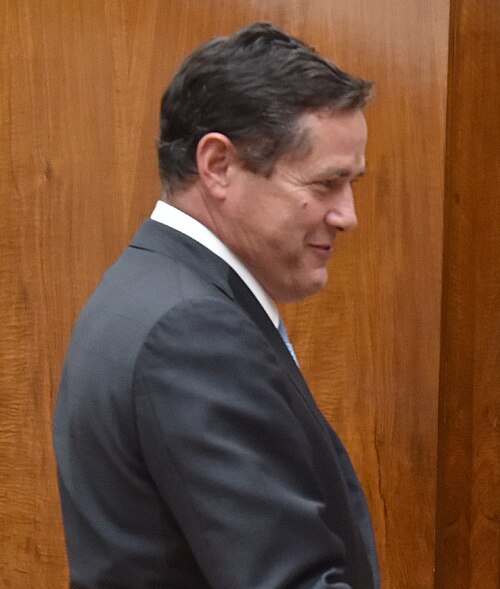 Jes Staley