When a name appears in 6,340 documents, you expect to find substance behind the number. Woody Allen shows up more frequently in the Epstein archive than many confirmed associates. But the documents themselves tell a different story than the volume might suggest.
The Nature of the References
Most of Allen's appearances come from a specific type of document: newspaper articles saved in Epstein's files. The archived Daily Mail stories and media coverage about Prince Andrew and Virginia Giuffre's allegations made their way into FBI evidence collection. These articles often listed prominent figures in Epstein's orbit. Allen's name appeared in those lists.
This creates a documentary echo effect. One news article gets saved multiple times in different formats. Each version counts as a separate document. A single mention multiplies across the archive.
The actual scheduling documents and personal records paint a thinner picture. Allen appears in contact lists. His name shows up in the kind of address book entries that suggested social acquaintance rather than frequent interaction.
What Allen Has Said
Allen acknowledged knowing Epstein socially but characterized it as distant. He described meeting him at dinner parties in Manhattan, the kind of encounters that happen in overlapping social circles among wealthy New Yorkers. According to Allen's public statements, they were not close friends.
This matches what the documents actually show. There are no flight logs with Allen's name. No detailed scheduling showing regular meetings. No email threads discussing projects or plans. The paper trail suggests exactly what Allen claimed: someone who knew Epstein casually through shared social settings.
The Media Figure Pattern
Allen fits into a broader category visible throughout the archive: media and entertainment figures whose names appear primarily because Epstein collected their contact information. Directors, producers, journalists, and television personalities show up in address books and occasional scheduling notes.
Some of these connections were clearly transactional. Epstein cultivated relationships with media figures as part of his image management strategy. Others were simply the result of moving in similar circles in Manhattan and the Hamptons.
The documents don't always tell you which type of connection you're seeing. A name in an address book could mean anything from a close associate to someone whose assistant's number Epstein obtained at a fundraiser.
The Central Park Photograph Context
The archived news coverage that mentions Allen typically focuses on a 2011 photograph of Prince Andrew walking with Epstein in Central Park. This photo appeared after Epstein's 2008 conviction, during a period when many of his former associates had distanced themselves publicly.
The articles listing people in Epstein's social orbit were attempting to map his network of powerful connections. Allen's inclusion in these lists reflected his status as a prominent New York cultural figure, not necessarily evidence of a significant relationship with Epstein.
But once his name appeared in these articles, and those articles entered the evidence collection, Allen became part of the permanent record. The FBI's comprehensive approach to gathering Epstein-related materials meant capturing everything, including speculative journalism.
The Documentary Inflation Problem
Allen's case illustrates a challenge in interpreting the archive. High document counts don't always mean what they appear to mean. The same content duplicated across multiple file formats, the same news article saved in different locations, the same address book entry appearing in various evidence batches create numerical inflation.
Someone analyzing the archive needs to distinguish between original source documents and derivative copies. A person appearing in fifty unique emails tells a different story than someone whose name shows up fifty times because one newspaper article got saved in multiple formats.
The archive contains both kinds of presence. Figures like Ghislaine Maxwell appear across thousands of unique documents showing active participation. Others appear thousands of times through echo and duplication.
What the Absence Shows
Sometimes what documents don't contain matters as much as what they do. The Allen materials lack the patterns that appear around confirmed close associates. There are no expense records showing payments. No travel arrangements coordinated through his office. No correspondence about meetings or dinners.
Compare this to how the archive documents Epstein's actual regular contacts. Those relationships generate scheduling details, expense tracking, travel coordination, and ongoing correspondence. The paper trail of frequent interaction looks distinctly different from the paper trail of someone who was simply in the address book.
The Allen documents mostly show media reports and contact information. That suggests exactly what both the public statements and the absence of detailed records indicate: limited social contact, not a working relationship or close friendship.
The Archive as Historical Record
The inclusion of figures like Allen in the archive serves a purpose beyond establishing guilt or innocence. The FBI collected comprehensively because they were building a complete picture of Epstein's world. That picture required documenting not just criminal activity but social context.
Understanding who Epstein knew, even casually, helped investigators map his access to various institutions and social circles. A film director in the address book tells you something about what doors Epstein could potentially open, what worlds he could move through.
But presence in that context doesn't equal participation in crimes. The archive captures both perpetrators and bystanders, both active participants and peripheral figures. Reading it requires distinguishing between these categories.
The 6,340 documents containing Allen's name mostly tell us that he existed in the same social universe as Epstein at certain points. That matters for understanding that universe. It doesn't tell us much beyond that. Sometimes the story in the archive is the absence of a deeper story, the gap between documentary volume and actual substance.
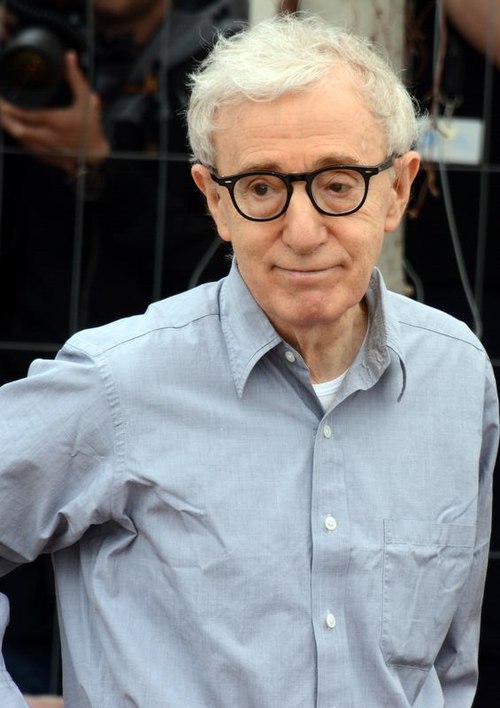 Woody Allen