In April 2018, three years after Jeffrey Epstein's second arrest and a decade after his conviction for soliciting prostitution from a minor, theoretical physicist Lawrence Krauss sent an email that reveals how some in the scientific community viewed their relationship with the convicted sex offender.
The subject line was blank. The message was four words and three names: "Let's do a men of the world conference. Kevin spacey Bill Clinton Al frank"
Documents show this wasn't a joke. The email, marked "High" importance and sent from Krauss to Epstein's [email protected] address, appears in HOUSE_OVERSIGHT_011904.jpg. By this point, Kevin Spacey faced multiple allegations of sexual misconduct. Bill Clinton's relationship with Epstein was well-documented. And Krauss himself had publicly defended Epstein in media appearances after the 2008 conviction.
The Arizona State Connection
Krauss appears throughout the documents in connection with the Origins Project at Arizona State University, where he served as director. Records indicate Epstein participated in or funded events connected to this initiative, which brought together scientists, artists, and public intellectuals to discuss major questions in cosmology and physics.
HOUSE_OVERSIGHT_011284.jpg and HOUSE_OVERSIGHT_014697.jpg both reference an Origins Project workshop titled "Challenges of Artificial Intelligence: Envisioning and Addressing Adverse Outcomes" held February 24-26, 2017. The documents don't specify Epstein's role in this particular event, but they establish the institutional framework through which their relationship operated.
This wasn't philanthropy in the abstract. Epstein used scientific funding as social currency, gaining access to prestigious institutions and respected intellectuals. Krauss provided that access.
The Public Defense
What makes the Krauss connection notable is not just the institutional ties but the public advocacy. After Epstein's 2008 conviction, when most associates quietly distanced themselves, Krauss went on record defending him. In media appearances, he characterized Epstein's crimes as less serious than they were and vouched for his character based on their friendship.
This defense came from someone with scientific credentials and institutional standing. When a theoretical physicist at a major research university says a convicted sex offender isn't that bad, it carries weight. It provides cover.
Documents show the relationship continued long after the conviction. The 2018 "men of the world conference" email suggests Krauss saw himself and Epstein as part of a group of powerful men unfairly targeted by changing social standards. The inclusion of Spacey and Clinton in that list is telling.
The Skype Communications
HOUSE_OVERSIGHT_018227.jpg and HOUSE_OVERSIGHT_018228.jpg contain fragments of Skype metadata showing communications between Krauss (identified as "lawkrauss") and others in Epstein's network. One message references "place at boulders," likely referring to the Boulders Resort in Arizona, where Origins Project events were sometimes held.
These aren't smoking guns. They're digital breadcrumbs showing ongoing contact. The relationship was active, maintained, reciprocal.
The Pattern of Scientific Enablers
Krauss wasn't alone. Epstein cultivated relationships with multiple scientists and scientific institutions. He donated to research, attended conferences, positioned himself as a patron of important work. In exchange, he gained legitimacy and access to academic spaces where young students and researchers circulated.
The scientific community's willingness to overlook a conviction for soliciting sex from a minor reveals something about how institutions value money and connections over safety. Universities accepted his funding. Scientists accepted his invitations. Some, like Krauss, defended him publicly.
Documents appearing in this archive show Krauss appears in 4,381 files connected to the Epstein investigation. That's a substantial presence. Not every mention is significant, but the volume indicates extensive contact over time.
The Aftermath
After Epstein's arrest in 2019 and death in custody, Krauss issued statements expressing regret for defending Epstein. He acknowledged he had been wrong. But those statements came only after defending Epstein became socially and professionally untenable.
The timing matters. Krauss defended Epstein when it cost something to do so, when the facts of the conviction were public, when maintaining the relationship required actively choosing to dismiss the severity of crimes against a minor. The later regret doesn't erase that choice.
Reading the Documents
The documents don't show Krauss participating in or knowing about Epstein's crimes. They show something else: how respectable institutions and credentialed individuals provided cover through association, how scientific funding created pathways for a predator to access academic spaces, how public defense from respected figures helped normalize a relationship that should have ended with conviction.
The "men of the world conference" email is darkly funny in its obliviousness, but it's also revealing. These men saw themselves as above ordinary standards, as part of a group that shouldn't be judged by the same rules. Krauss's willingness to propose such a conference to Epstein shows how completely he had accepted that worldview.
The archive preserves these connections not because every email is individually damning, but because the pattern matters. The volume matters. The persistence matters. Lawrence Krauss chose to maintain and defend a friendship with a convicted sex offender, and that choice is now part of the permanent record.
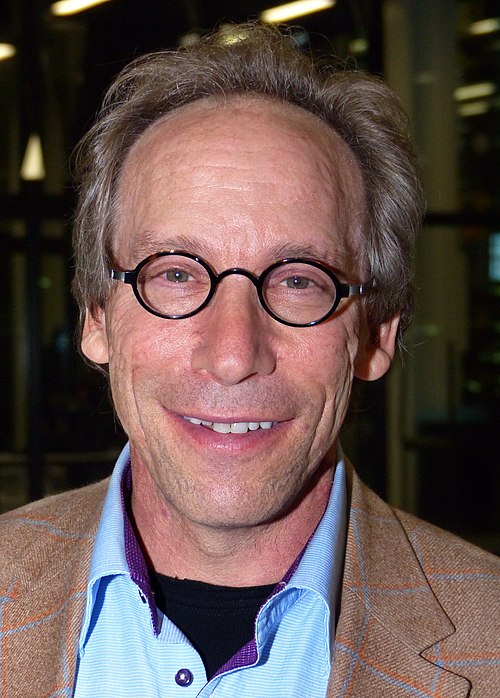 Lawrence Krauss