Jes Staley appears in 6,355 documents in the Epstein archive. That number alone tells a story about proximity and frequency of contact. For comparison, many of Epstein's victims appear in fewer documents than this banking executive.
Staley wasn't a casual acquaintance who met Epstein at a conference. He was a senior executive at JPMorgan Chase who developed what he himself described as a close personal friendship with a man who was, even during their relationship, a registered sex offender.
The Banking Connection
Staley first met Epstein while working at JPMorgan, where he served as CEO of the investment bank division. The relationship continued even after Staley left JPMorgan in 2013 to become CEO of Barclays in 2015. This wasn't just professional networking. Court documents and regulatory filings show Staley visited Epstein's private island and exchanged hundreds of emails with him over the years.
The emails included personal updates, social arrangements, and the kind of casual banter that happens between friends. One document excerpt shows Staley's name coming up in testimony by Ghislaine Maxwell, where she describes how certain people in Epstein's world had "separate lives" that occasionally synced with the criminal enterprise at the center of everything.
What the Documents Show
Staley's name surfaces in multiple contexts throughout the archive. He appears on guest lists, in email chains, and in witness testimony. Documents show he was part of Epstein's network during the years when victims were being trafficked and abused.
One document from March 2012 lists potential invitees for seminars on "MONEY & POWER" that Epstein was organizing. These weren't academic conferences. They were gatherings at Epstein's properties where he mixed legitimate business figures with his criminal activities.
The documents also show correspondence between Epstein and his assistant Lesley Groff that included discussions of various contacts and arrangements. Staley was part of this operational network, receiving communications and maintaining regular contact even after Epstein's 2008 conviction.
The Island Visits
Staley visited Little St. James, Epstein's private island in the U.S. Virgin Islands. This fact came out during regulatory investigations after his resignation. The island wasn't just a vacation spot. Multiple victims have testified that abuse occurred there. Flight logs and visitor records show a pattern of powerful men traveling to this location where oversight was minimal and control was absolute.
When someone like Staley visited that island, they entered a space that Epstein controlled completely. Former employees and victims describe a location where young women and girls were present, where the staff knew what was happening, and where visitors would have seen things that should have raised questions.
The 2021 Resignation
Staley resigned as Barclays CEO in November 2021. The official reason was the outcome of an investigation by British financial regulators into how he had characterized his relationship with Epstein to the bank and to investigators.
The investigation found that Staley had not been fully transparent about the depth and nature of his relationship with Epstein. He had described it as professional when evidence showed it was far more personal. He had minimized the frequency of contact when records showed extensive communication.
Barclays and Staley are now in legal proceedings over deferred compensation and other matters related to his departure. JPMorgan has faced lawsuits from Epstein victims who argue the bank facilitated his crimes by maintaining his accounts and enabling his transactions even after his conviction.
The Pattern of Powerful Friends
Staley represents a specific type of person in the Epstein documents. Not a co-conspirator in the legal sense, but an enabler through legitimacy. When a CEO of a major international bank maintains a close friendship with a convicted sex offender, it sends a message that this person is acceptable. It provides social cover.
The documents show Epstein curated these relationships carefully. He connected with people at the highest levels of finance, science, politics, and culture. These weren't random friendships. They were strategic relationships that served multiple purposes: business opportunities, social legitimacy, and protection through proximity to power.
What Regulators Found
The UK Financial Conduct Authority and Prudential Regulation Authority investigated Staley's conduct. They looked at when he knew what about Epstein, how he described their relationship, and whether his actions met the standards required of someone in his position.
The investigation revealed a pattern of minimization. When asked about Epstein, Staley would acknowledge knowing him but downplay the closeness. The documentary record told a different story. Emails showed warmth and frequency. Travel records showed personal visits. The gap between his characterization and the evidence became untenable.
The JPMorgan Question
JPMorgan maintained Epstein as a client for years, even after his conviction. The bank processed transactions related to his activities. They knew he was a registered sex offender. They had compliance obligations to understand their client's business activities.
Staley was a senior executive during much of this period. His personal relationship with Epstein raises questions about whether normal compliance procedures were followed. Did his friendship influence how the bank treated this client? Did it make people less likely to ask hard questions about suspicious transactions?
These questions are now being examined in ongoing litigation. Victims have sued JPMorgan, arguing the bank's relationship with Epstein enabled his crimes to continue. The bank has settled some claims but legal proceedings continue.
The Cost of Association
Staley's career ended because of his Epstein relationship. He went from running one of the world's largest banks to fighting over his departure terms and facing questions about what he knew and when.
The documents in this archive show why that happened. They reveal not just isolated contact but sustained relationship. Not just professional courtesy but personal friendship. Not just poor judgment but a pattern of choices that, when examined in retrospect, show someone who valued a relationship with Epstein more than the obvious red flags surrounding him.
Six thousand documents don't lie. They show meetings and emails and arrangements that add up to a picture of someone who was, for whatever reason, willing to look past what should have been disqualifying information about Jeffrey Epstein.
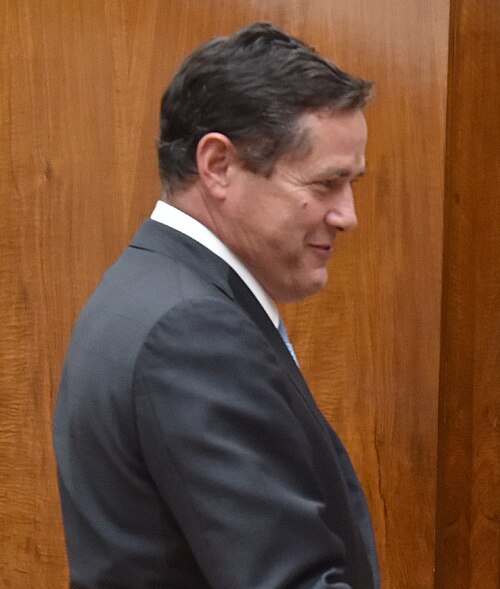 Jes Staley