When you search for Woody Allen in the Epstein document archive, you get 6,340 results. That's more references than many people who testified in depositions or appeared in court filings. For a filmmaker who claims he barely knew Jeffrey Epstein, that's a lot of documents.
Allen has stated publicly that he had a "social acquaintance" with Epstein but was not close to him. The documents tell a more complicated story about how deep Epstein's network reached into America's cultural elite.
The Pattern in the Papers
Allen's name appears primarily in what the archive categorizes as personal scheduling documents and contact records. These aren't emails between the two men or flight logs showing Allen on the Lolita Express. Instead, they're the kind of documents that show how someone gets filed in an address book, how their name comes up in conversation, how they exist in someone's social orbit.
This matters because it shows how Epstein built his network. He didn't just collect people through direct relationships. He collected them through proximity, through mutual contacts, through the overlapping circles of New York's elite.
The documents that mention Allen often appear in broader contexts. Document 29035 and Document 29043 are pages from a Daily Mail article about Prince Andrew that ended up in DOJ files. These aren't about Allen directly, but they show how names get pulled into an investigation when they exist in the same social ecosystem.
The Central Park Photo
One document excerpt is particularly telling. Document 33425 references a photograph that "shows the prince strolling through Central Park with 58-year-old Epstein." This is the kind of casual public appearance that characterized Epstein's post-conviction image rehabilitation.
The document is dated 6/14/2016, years after Epstein's 2008 conviction for soliciting prostitution from a minor. By this point, Epstein was a registered sex offender. Yet he was still maintaining a social calendar that included recognizable public figures.
Allen's presence in these scheduling documents from this period raises questions about what New York's cultural elite knew and when they knew it. Epstein's conviction was public record. The details were disturbing. Yet the social connections persisted.
The Celebrity Shield
Allen's own history complicates this picture. In 1992, he began a relationship with Soon-Yi Previn, the adopted daughter of his longtime partner Mia Farrow. Previn was 21 at the time, but Allen had known her since she was a child. They married in 1997 and remain together.
In 2014, Dylan Farrow, Allen's adopted daughter with Mia Farrow, published an open letter accusing Allen of sexually assaulting her when she was seven years old. Allen has consistently denied the allegation. No criminal charges were ever filed, though Connecticut authorities investigated.
This context matters when examining Allen's connection to Epstein. Both men operated in spheres where power, celebrity, and allegations of sexual misconduct intersected. Both benefited from a culture that protected famous men from serious scrutiny.
What Social Acquaintance Means
When Allen says he was a "social acquaintance" of Epstein, what does that mean in practice? The documents suggest it means your name appears in contact lists. It means you might get mentioned in scheduling discussions. It means you exist in the same network of people who attend the same parties, know the same people, move through the same Manhattan social circuits.
But 6,340 document mentions is not nothing. For comparison, many victims who gave detailed testimony appear in fewer documents. Many witnesses who spent hours in depositions show up less frequently.
The sheer volume suggests that Allen's name came up repeatedly in materials seized from Epstein's properties, in records subpoenaed from his businesses, in the digital detritus of a life spent cultivating relationships with the powerful and famous.
The Filing Cabinet Test
Here's a thought experiment: if someone raided your home and office, took all your papers and files and emails, how many times would a "social acquaintance" appear? For most people, the answer is maybe a few dozen times. An email chain here, a phone number there, perhaps a mention in a calendar entry.
But thousands of times? That suggests something more systematic. It suggests that person was part of your reference system, your network map, the people you tracked and categorized and maintained contact with over years.
Epstein was obsessive about record-keeping. He maintained detailed files on people. He saved emails. He tracked relationships. When someone appears 6,340 times in that system, it tells you something about how he valued that connection.
The Manhattan Network
Allen represents a particular type of figure in the Epstein story: the cultural gatekeeper whose presence in the documents reflects Epstein's obsessive networking in elite Manhattan circles. Unlike the financiers or scientists who had professional reasons to know Epstein, Allen's connection appears purely social.
This is the banality of how networks of power operate. You meet at parties. You have mutual friends. Your names end up in the same contact lists. Over time, these casual connections create a web of association that makes it harder to ask hard questions about anyone in the network.
The documents don't show Allen doing anything wrong. They show something perhaps more unsettling: how completely integrated Epstein was into the social fabric of New York's elite, even after his conviction. How a registered sex offender could maintain a contact list that included one of America's most celebrated filmmakers.
The Silence Question
What's notable is what we don't see in the documents. No statements from Allen about Epstein. No interviews. No testimony. Just the passive presence of his name in someone else's records.
This is the privilege of peripheral involvement. If you're not accused of anything specific, you don't have to explain anything. The 6,340 documents remain, but they require no response, no accountability, no public reckoning with how and why your name appears so frequently in a sex offender's files.
The filmmaker in the contact list. The social acquaintance mentioned thousands of times. The questions that remain unanswered because no one with the power to demand answers has chosen to ask them.
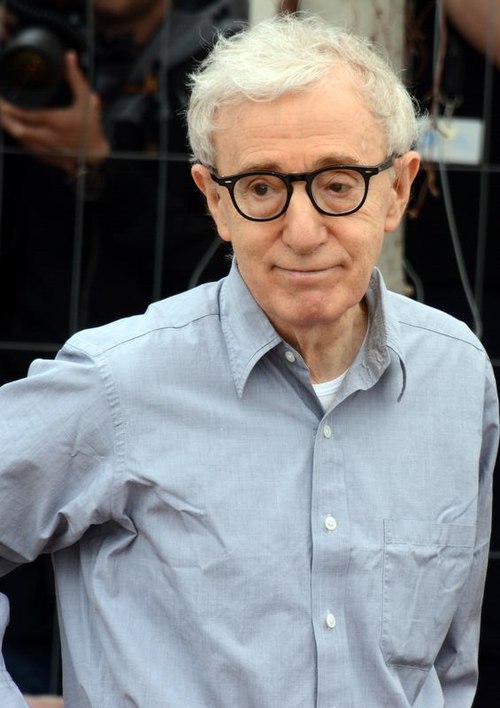 Woody Allen