When Jeffrey Epstein signed his last will two days before his death, he named Boris Nikolic as a backup executor. Nikolic, a Harvard-trained biologist and science advisor to Bill Gates, quickly distanced himself from the role. He was "shocked" by the designation, his lawyer said, and had no intention of serving.
But 2,073 documents in the Epstein files suggest a relationship that went deeper than Nikolic publicly acknowledged.
The Network Position
The document count places Nikolic fourth in the Epstein network, behind only Lesley Groff (31,897 documents), Ghislaine Maxwell (2,152 documents), and pilot Larry Visoski (2,230 documents). This is more documents than most of Epstein's publicly known associates, including many who appeared frequently in tabloid coverage.
That document volume matters. Groff was Epstein's executive assistant for decades. Maxwell was his primary associate and alleged accomplice. Visoski piloted his planes for years. These were people embedded in Epstein's daily operations. Where does a science advisor fit in that company?
The Gates Connection
Nikolic's public profile centers on his work in biotechnology and venture capital. After earning his PhD from Harvard, he served as chief advisor for science and technology to Bill Gates. He later founded Biomatics Capital, investing in life sciences and healthcare companies.
Records indicate that Epstein cultivated relationships with scientists and technology leaders, often positioning himself as a patron of cutting-edge research. He donated to Harvard's Program for Evolutionary Dynamics and maintained offices at a Harvard-affiliated building. Documents show he sought introductions to Nobel laureates and prominent researchers.
The Bill Gates connection proved particularly valuable. Multiple reports have documented meetings between Gates and Epstein, including visits to Epstein's Manhattan mansion. Gates has acknowledged the meetings while stating he regretted them. Nikolic served as one bridge between these worlds: the legitimate sphere of technology philanthropy and Epstein's network.
What 2,073 Documents Reveal
The sheer volume of shared documents suggests regular, sustained contact rather than occasional meetings. For context, many people who appeared at Epstein's parties or flew on his plane once or twice appear in fewer than 100 documents. People approaching 2,000 documents typically had ongoing business or personal relationships.
While specific document contents remain under seal in many cases, the pattern indicates Nikolic appeared across multiple aspects of Epstein's activities. This could include correspondence, meeting notes, travel records, or financial documents. The breadth suggests he wasn't siloed into one narrow aspect of Epstein's life.
The executor designation itself reveals Epstein's assessment of the relationship. Choosing someone to manage your estate, even as a backup, signals deep trust. You select people who understand your affairs, who you believe will act in your interests, who have demonstrated loyalty and discretion.
The Public Response
After the will became public, Nikolic's lawyer released a statement: "Dr. Nikolic was not consulted in advance about being named as a potential executor. He was shocked by the allegations in the criminal indictment against Mr. Epstein and had limited prior contact with him."
That phrase "limited prior contact" sits awkwardly next to 2,073 documents. The definition of "limited" becomes important. Compared to Groff's daily management role, perhaps any outside contact could be framed as limited. But limited compared to what most people would understand the term to mean? The document count suggests otherwise.
The Science Patron Playbook
Documents across the archive show Epstein used science patronage as social currency. He funded research, hosted salons with academics, and positioned himself as a connector between money and scientific advancement. This gave him credibility, access, and relationships with people who might not otherwise associate with a convicted sex offender.
For scientists and advisors, Epstein offered funding, introductions, and association with other prominent figures in technology and academia. The arrangement worked both ways: Epstein gained legitimacy through association with respected scientists, while maintaining the relationships required ongoing contact and engagement.
The 2,073 documents likely chronicle this pattern. Meeting invitations, funding discussions, introduction requests, travel coordination. The mundane logistics that accumulate when two people interact regularly over time.
The Pattern in the Network
Looking at the full network, a pattern emerges. The people with the highest document counts fall into clear categories: operational staff like Groff and Visoski who managed logistics, alleged co-conspirators like Maxwell, and then a handful of professional advisors and associates.
Nikolic's position in this network raises questions about how Epstein structured his activities. He didn't just have enablers and victims. He maintained a layer of legitimate professional relationships that provided cover, credibility, and access to new networks. These relationships required cultivation, maintenance, and documentation.
The will designation suggests Epstein saw Nikolic as someone who could be trusted with sensitive information about his estate. That trust typically develops over time, through demonstrated discretion and continued engagement. Two days before his death, facing criminal charges, Epstein thought Nikolic might be willing to handle his affairs.
Questions Without Answers
The documents raise more questions than they answer. What was the content of 2,073 documents? Were they primarily about legitimate scientific discussions, or did they touch on other aspects of Epstein's activities? How often did Nikolic and Epstein actually meet? What did Nikolic know about the criminal conduct alleged against Epstein?
We know Nikolic declined to serve as executor. We know his lawyer characterized the prior contact as limited. We know Bill Gates later expressed regret about his own Epstein meetings. But we also know 2,073 documents connect these two names in the evidence files.
The gap between public statements and document counts doesn't necessarily indicate wrongdoing. But it does indicate the relationship was more substantial than the word "limited" suggests. In a case built on networks, associations, and who knew what when, that gap matters.
The documents exist. They were preserved, catalogued, and entered into evidence. Whatever story they tell sits in that archive, waiting for fuller disclosure about what connected a respected scientist to a criminal network through thousands of pages of documentation.
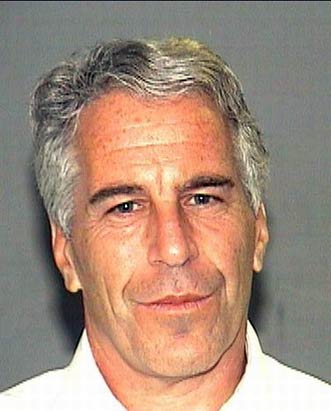 Jeffrey Epstein
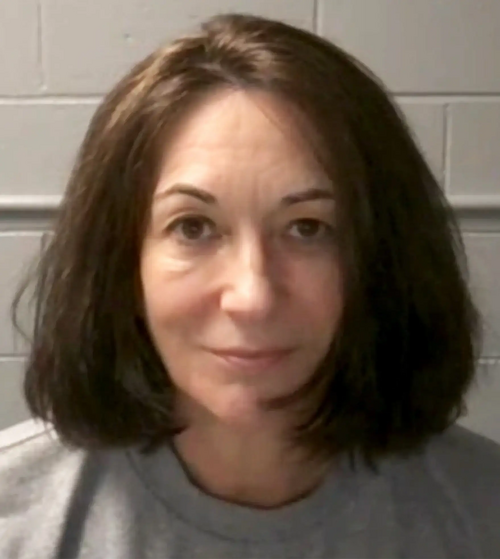 Ghislaine Maxwell