Jean-Luc Brunel appears in more documents than almost anyone except Epstein's inner circle. His 4,485 mentions place him among the most frequently referenced individuals in the entire investigation. The French modeling agent died in his Paris jail cell in February 2022, while awaiting trial on rape charges connected to the Epstein case.
The sheer volume of documents suggests Brunel was not a peripheral figure. He appears more often than many household names in the Epstein story. This frequency matters because each document represents a moment someone thought his name was worth writing down, worth preserving, worth investigating.
The Modeling Agency Structure
Brunel ran MC2 Model Management and previously worked with Karin Models. These weren't small operations. They had offices in New York, Miami, and connections throughout Europe. According to allegations in the case, these legitimate businesses provided cover for something else entirely: a pipeline of young women and girls who could be moved between countries under the guise of modeling work.
The business model of international modeling agencies creates natural opportunities for exploitation. Young women and girls travel alone to foreign cities. They need housing, which agencies often provide. They need work permits and visas, which agencies arrange. They depend on agents for bookings, money, and connections in an unfamiliar country. This dependency creates vulnerability.
Virginia Giuffre's Allegations
Virginia Giuffre accused Brunel directly of rape. She also stated he procured underage girls for Epstein. Her accounts describe a system where Brunel would identify potential targets through his modeling work, then make them available to Epstein. Some girls were allegedly told they would meet important people who could help their careers. Others were apparently brought to Epstein's properties under various pretenses.
Giuffre kept a "dream journal" regarding her thoughts and memories that she possessed in January 2016, according to case documents. This journal became part of the evidence record. The existence of contemporaneous personal documentation matters in cases where victims are often accused of false memories or fabrication years after events.
The Flight Risk Argument
When Ghislaine Maxwell's lawyers argued against her detention, prosecutors raised Brunel as part of their response. Documents show the government arguing that Maxwell "could always flee to some country other than the United Kingdom and France." This phrasing appears in multiple court filings. France becomes relevant because Brunel was there. The government's concern was that Maxwell had international connections that could help her disappear, just as Brunel had managed to stay in France for years despite allegations.
Brunel was arrested in Paris in December 2020 as he attempted to board a plane to Senegal. French prosecutors charged him with rape of minors and human trafficking. He was not grabbed off the street randomly. Authorities waited until he tried to leave the country, suggesting they had been watching him.
The Paris Death
On February 19, 2022, guards found Brunel hanged in his cell at La Santé prison in Paris. He was 76 years old. French authorities ruled it suicide. His lawyers disputed this, arguing he had been preparing his defense and had shown no signs of suicidal intent. They requested an investigation into the circumstances.
The death ended any possibility of a trial. Brunel never testified about what he knew. He never provided details about the modeling agency operations. He never confirmed or denied the allegations against him in court. Whatever information he possessed about Epstein's network died with him.
The Document Pattern
The 4,485 documents mentioning Brunel span different types of records. Some are probably flight logs, given his frequent travel with Epstein. Others are likely witness statements from women who encountered him. Still others may be communications between investigators discussing his role. The distribution of these mentions across the document archive suggests sustained attention from law enforcement over years, not a brief inquiry.
His name appearing in Maxwell's bail arguments shows prosecutors considered him significant enough to cite in high-stakes legal motions. You mention someone in a bail hearing when their connection strengthens your argument that the defendant is dangerous or likely to flee. The government used Brunel as evidence that Maxwell had international networks and resources.
The Modeling Industry Question
Brunel's case raises questions about the modeling industry that extend beyond Epstein. How many legitimate agencies have been used as fronts? How many young women have been told they're meeting someone who can help their career, only to find themselves in situations they can't control? The power dynamics are similar to other industries where powerful men have access to young people dependent on them for opportunities.
MC2 Model Management continued operating even after Brunel's arrest. The agency's website came down eventually, but for a time it remained active. This suggests either a complicated legal situation regarding the business assets or a belief that the agency itself was separate from Brunel's alleged crimes. Both explanations are troubling in different ways.
What Remains Unknown
We don't know how many women Brunel allegedly brought to Epstein. We don't know the full extent of his agency's involvement. We don't know what documentation existed within MC2's files about the girls who traveled under modeling contracts. French prosecutors were apparently building a case, but that case died with Brunel.
The document count tells us investigators found his name everywhere. The circumstances of his death tell us he won't answer questions about what those documents contain. The timing of his arrest, two years into the broader investigation, suggests authorities needed time to build their case. The fact that he was charged at all, despite his age and health, suggests prosecutors believed they had strong evidence.
Brunel's story shows how legitimate business infrastructure can allegedly serve criminal purposes. A modeling agency has built-in explanations for everything investigators might question. Young women traveling internationally? Perfectly normal in that industry. Housing provided by older men? Standard agency practice. Meetings with wealthy individuals? Networking for career advancement. The cover story is the business itself.
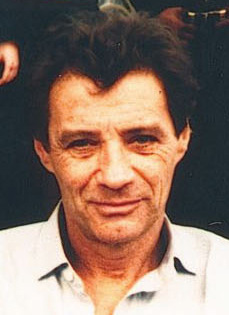 Jean-Luc Brunel